
Normal intraocular pressure is commonly described as being between 10 and 21 mmHg, while the average eye pressure in healthy adults is approximately 15 mmHg. However, one eye pressure reading cannot show whether an eye is healthy on its own.
Some people develop glaucoma even when their readings remain within the commonly used range. Others may have readings above 21 mmHg without showing optic nerve damage. Eye care professionals therefore consider eye pressure together with corneal thickness, optic nerve appearance, visual field results and changes over time.
This guide explores the clinical standards of IOP, the advanced ophthalmic equipment used for measurement, and actionable strategies for long-term ocular maintenance.
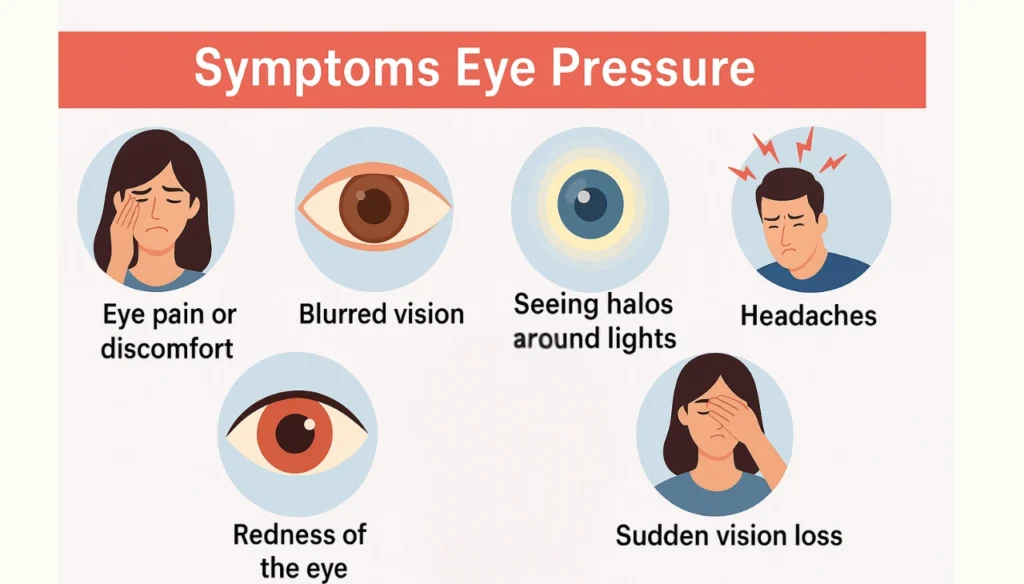
What Is the Average Normal Eye Pressure?
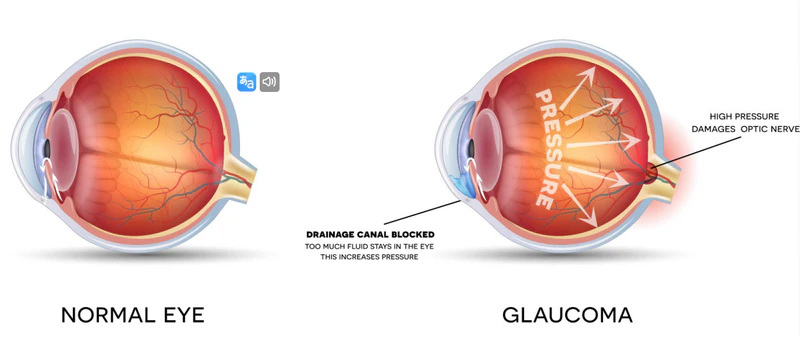
Intraocular pressure (IOP) is the fluid pressure inside your eye. It is primarily generated by the aqueous humor, a clear fluid that continuously flows in and drains out of the front of the eye to maintain a stable, healthy shape.
If the drainage system becomes less efficient, pressure may rise. Elevated IOP is an important risk factor for glaucoma, but it is not the only factor used to diagnose the condition.
Eye pressure is measured in millimeters of mercury, written as mmHg.
According to the American Academy of Ophthalmology (AAO), the standard range for “normal” eye pressure is typically between 10 and 21 mmHg (millimeters of mercury). However, “normal” is often a relative term. The average value and the normal range are not the same:
- Average eye pressure: approximately 15 mmHg
- Common reference range: approximately 10–21 mmHg
- Higher-than-average reading: usually above 21 mmHg
- Individual target pressure: determined by an eye care professional
Some individuals may have pressures within this range but still suffer from optic nerve damage (Normal-Tension Glaucoma), while others might have higher readings without any signs of disease (Ocular Hypertension).
Why does eye pressure fluctuate?
It is a common misconception that IOP remains static. In reality, it varies based on several factors. Eye pressure (intraocular pressure, IOP) typically fluctuates due to diurnal cycles (higher at night/early morning), body position (bending over, lying flat), intense physical exercise, and high caffeine intake. Other causes include blinking, rubbing eyes, stress, and specific medications. Maintaining steady IOP is crucial for optic nerve health.
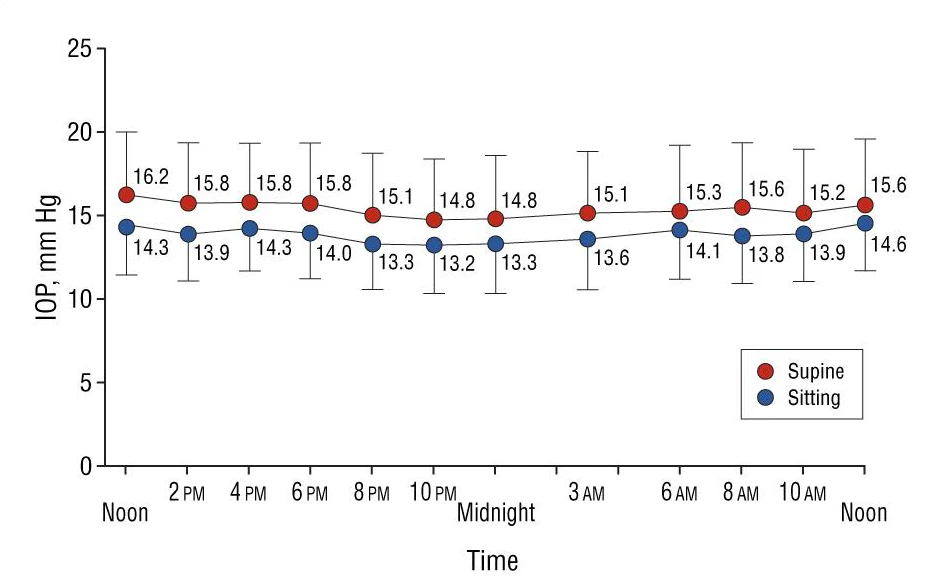
Common Factors Causing Eye Pressure Fluctuations:
- Diurnal/Nocturnal Changes: Eye pressure often peaks in the early morning hours, particularly in individuals with glaucoma.
- Body Position: Lying flat (supine) can increase eye pressure compared to sitting or standing. Bending over or hanging the head downward can also trigger a temporary rise in pressure.
- Physical Activity/Pressure Effects: Straining, such as heavy lifting or holding one’s breath (Valsalva maneuver), can cause spikes. Playing wind instruments can also increase pressure.
- Lifestyle Habits: Drinking large amounts of water in a short time can increase pressure. Consuming high amounts of caffeine is also associated with temporary increases.
- Physical Actions: Blinking and rubbing the eyes can cause transient, instantaneous changes in pressure.
- External Factors: Wearing tight clothing around the neck (like a tight necktie) or using swimming goggles that seal against the eye can cause temporary elevations.
- Medical/Eye Conditions: Underlying issues like eye inflammation, eye injuries (fluid buildup), or even genetic factors regarding how the eye handles fluid can lead to fluctuations.
How Should Eye Pressure Readings Be Interpreted?
Tonometry normal values provide a useful reference, but individual results require clinical interpretation.
| Eye pressure reading | General meaning |
|---|---|
| Around 15 mmHg | Approximately the average value in healthy adults |
| 10–21 mmHg | Commonly used normal intraocular pressure range |
| Above 21 mmHg | Higher than the common reference range and may require further examination |
| 5–6 mmHg or lower | May indicate abnormally low eye pressure |
| A reading within the normal range | Does not completely exclude glaucoma |
Eye care professionals usually look at pressure changes over time and compare results from previous visits before deciding if additional tests are needed.
How is Eye Pressure Measured? Professional and Home Methods
Precision in measurement is vital. Today, professionals utilize a variety of ophthalmic, optometry and optical lab equipment to obtain accurate IOP data.
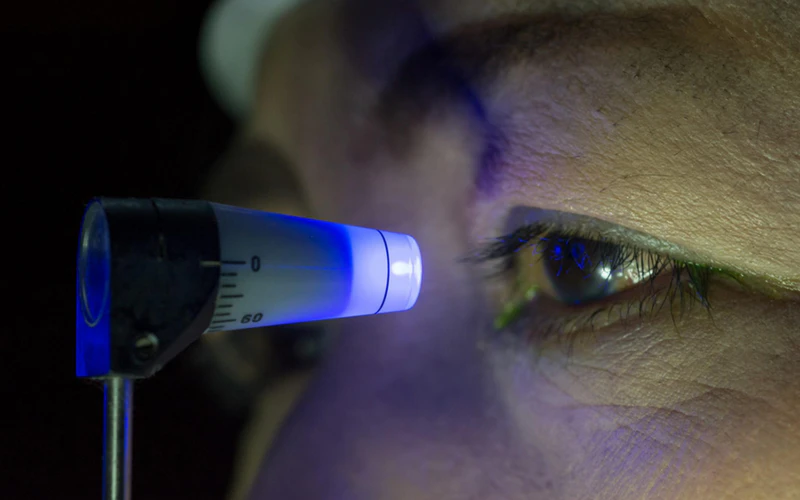
Clinical Tonometry: The Gold Standard
The primary method used by specialists is Goldmann Applanation Tonometry (GAT). This clinical benchmark involves using a slit-lamp integrated system to gently flatten a small area of the cornea to measure resistance. Because it requires direct contact, numbing drops are used for patient comfort.
Non-Contact Tonometry (Air Puff)
Commonly used in routine screenings, this method uses a quick pulse of air to measure corneal response. While fast and requiring no anesthesia, it is generally considered less precise than applanation methods.
Rebound Tonometry
A rebound tonometer uses a small, lightweight probe that briefly contacts the cornea. The device calculates IOP from the probe’s movement after contact.
Rebound tonometers can be useful in clinics, mobile screening settings and patients who have difficulty using a conventional slit-lamp system. Certain models may also be prescribed for home monitoring under professional supervision.
Handheld Electronic Tonometry
Handheld contact tonometers are useful for patients who cannot sit at a slit lamp, including bedridden patients or people being examined in emergency and operating-room settings.
The Shift to Home Monitoring
Because eye pressure fluctuates naturally throughout the day—often peaking in the early morning—a single office reading may miss dangerous “spikes”.
- Rebound Tonometry: Modern handheld devices, such as the iCare HOME2, utilize a tiny, disposable probe that makes millisecond contact with the eye.
- Benefits: These devices allow for “day phasing,” capturing trends outside clinical hours. Research indicates that nearly 50% of peak IOP readings occur outside regular office hours.
Shanghai LINK provides a wide range of professional tools, including Auto Refractometers and Slit Lamps, designed to integrate seamlessly into modern diagnostic workflows.
Who May Need More Frequent Eye Pressure Checks?
Individuals with chronic conditions (diabetes, heart disease, hypertension), adults over 65, those with high-risk factors (family history, obesity), and people with recently changed or unstable health conditions should monitor their health more frequently, often every 3–6 months or as advised by a doctor.
Groups Requiring More Frequent Monitoring:
- Chronic Illness Management: People with diabetes or heart disease should see a doctor every 3–4 months to adjust medications and monitor progress.
- Older Adults: Adults aged 65 or older should visit their primary care physician at least twice per year (every 6 months).
- Unstable or New Conditions: Individuals with newly diagnosed, unstable, or worsening symptoms may need monitoring every 2–6 weeks initially.
- High-Risk Individuals: Those with a family history of cancer, heart disease, or stroke, as well as individuals who are obese, need more frequent screening and check-ups.
- Medication Management: Patients on new or high-risk medications may need routine blood work every 3–6 months.
- Children: Infants and young children need frequent checks for growth, development, and vaccinations.
How to Maintain Healthy Eye Pressure: Lifestyle and Medical Tips
While genetics play a significant role in ocular health, several lifestyle adjustments and medical interventions can help stabilize IOP.
1. Regular Comprehensive Eye Exams
The most effective way to maintain eye pressure is to catch fluctuations early. A professional exam using a Phoropter and Slit Lamp allows doctors to view the optic nerve directly and correlate those findings with IOP readings.
2. Dietary Considerations and Exercise
- Antioxidants: Leafy greens and fruits rich in Vitamins C and E support the health of the trabecular meshwork.
- Moderate Exercise: Studies suggest that regular aerobic exercise can lower IOP in some individuals, though high-intensity weightlifting (involving the Valsalva maneuver) should be approached with caution.
- Hydration: Drinking large amounts of water in a very short period (water loading) can temporarily spike eye pressure. It is better to sip water consistently throughout the day.
3. Medical Interventions
When lifestyle changes aren’t enough, ophthalmologists turn to pharmaceutical or surgical solutions:
- Prostalgandin Analogs: Eye drops that increase the outflow of fluid.
- Beta-Blockers: Drops that reduce the production of aqueous humor.
- Laser Trabeculoplasty: A quick procedure to improve the eye’s drainage system.
Regular physical activity, balanced nutrition and appropriate hydration can support general health, but they do not replace prescribed glaucoma treatment or professional monitoring.
Choosing a Tonometer for a Clinic
Clinics, hospitals and optical practices should evaluate more than the measurement range when purchasing a tonometer.
Important factors include:
- contact or non-contact measurement;
- repeatability of readings;
- automatic alignment and tracking;
- patient comfort;
- corneal thickness measurement;
- calibration and maintenance requirements;
- consumable probe costs;
- data storage and export;
- available installation and technical support.
Non-contact tonometers are commonly selected for high-volume screening because they provide fast measurements without disposable contact probes. Rebound and handheld tonometers may be more suitable for portable testing or patients who cannot use a desktop system.
LINK’s NCT-5000A/B is a fully automatic non-contact tonometer designed for IOP screening. Available features include 3D auto-tracking, automatic focusing, a soft air-puff system and optional corneal thickness measurement.
Practices comparing equipment costs can also read the Air Puff Tonometer Price Guide for information about automation, pachymetry, data connectivity and other factors that affect purchase price.
Shanghai LINK Instruments Co., Ltd. has become a global benchmark in this space. Since expanding their global reach in 2017, they have established localized warehouses in Europe and the Americas, ensuring that clinics worldwide have access to ophthalmic, optometry, and optical lab equipment that meets FDA standards without the long lead times of traditional logistics.
Frequently Asked Questions (FAQs)
Is 20 mmHg a normal eye pressure reading?
A reading of 20 mmHg falls within the commonly used reference range. However, the result still needs to be considered with the person’s optic nerve condition, corneal characteristics and previous readings.
Is an eye pressure above 21 mmHg glaucoma?
No. A reading above 21 mmHg is higher than the commonly used range, but eye pressure alone does not diagnose glaucoma. Further examination may show ocular hypertension without optic nerve damage.
Is an air-puff test accurate?
Air-puff tonometry is useful for quick, non-contact screening. If a reading is unusually high, low or inconsistent, an eye care professional may repeat it or confirm it with another tonometry method.
Which factors can cause a false high reading in eye pressure?
False high readings in eye pressure (intraocular pressure, or IOP) are commonly caused by thick corneas, improper patient positioning (neck flexion), holding breath (Valsalva maneuver), or anxiety during testing. Other factors include eye drops, improper tonometer calibration, and eyelid squeezing.
When should I get my eye pressure checked?
You should have your eye pressure checked during a comprehensive eye exam, ideally starting with a baseline at age 40, or sooner if you have risk factors. Adults 40–54 should check every 1–3 years; 55–64 every 1–2 years; and those 65+ annually or every 6–12 months. Earlier and more frequent checks are needed if you have risk factors.
Can I feel it if my eye pressure is high?
In most cases, no. However, in Acute Angle-Closure Glaucoma, pressure rises rapidly, causing severe eye pain, headaches, nausea, and blurred vision. This is a medical emergency.
Conclusion:
Normal intraocular pressure is commonly described as 10–21 mmHg, with an average value of approximately 15 mmHg. These numbers provide a useful reference, but no single reading can fully determine whether an eye is healthy.
Accurate interpretation depends on the measurement method, corneal properties, optic nerve findings and changes over time. Regular eye examinations and appropriate tonometry remain the safest way to identify abnormal readings and monitor glaucoma risk.
Eye pressure is more than just a number; it is a vital sign for your ocular health. Whether you are a professional seeking high-accuracy diagnostic tools from Shanghai LINK or a patient monitoring your health at home, staying informed and proactive is the only way to safeguard your sight.
